
Resilience
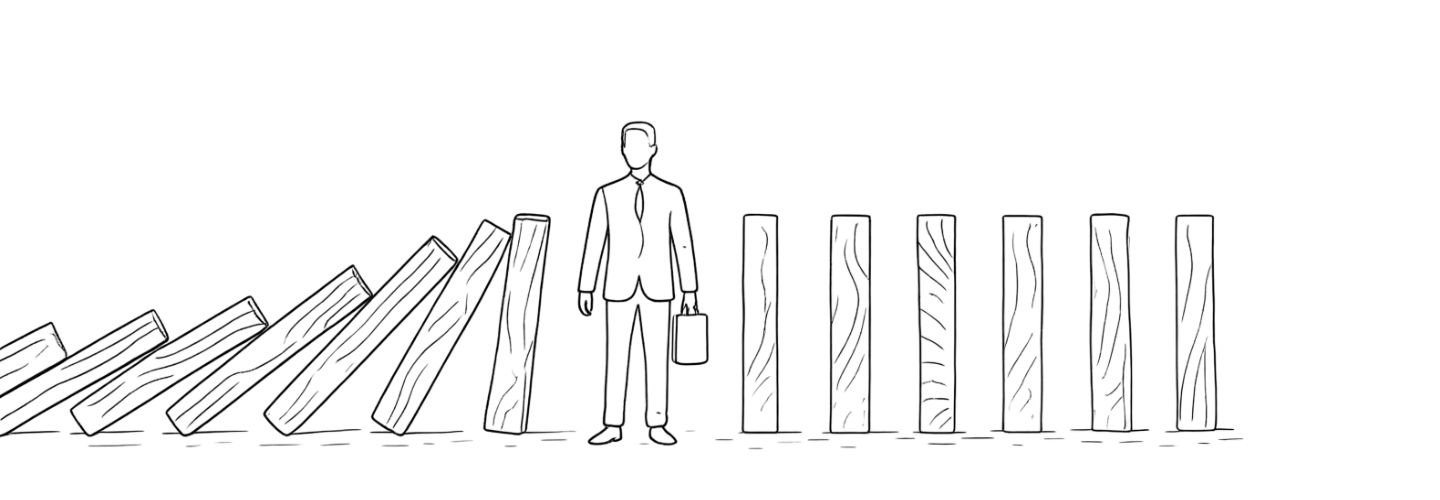
In a world of geopolitical tensions, hybrid threats and increasingly complex crises, resilience is more important than ever. For organisations, as well as for the people who bear responsibility within them.
Resilience starts with continuous development
Resilience is not simply the ability to withstand a crisis. It is also about being able to look ahead, recognise risks, work together and continue to make sound decisions in changing circumstances. Geopolitical tensions, hybrid threats, cyberattacks, social polarisation and other complex developments are becoming increasingly interconnected. As a result, the challenges faced by governments, businesses and civil society organisations are becoming more complex and less predictable.
That is precisely why resilience requires more than crisis plans and procedures. It requires people who can bring together different perspectives, continue to think critically and know how to act when circumstances demand it. Lifelong learning plays an important role in this. By continuously developing their knowledge and skills, professionals, leaders and organisations can strengthen their capacity to act and better prepare themselves for an uncertain future.
“At a time of hybrid threats and international crises, resilience is not only an organisational capability, but also a quality of leadership: the ability to integrate law, ethics, communication and governance.
This requires continuous development. Lifelong learning is therefore no longer a choice, but a prerequisite for continuing to act effectively in an increasingly complex international context.”
Bouwien Janssen
Director, UM Academy for Lifelong Development
Develop your knowledge and capacity to act
Resilience requires knowledge from a range of disciplines. That is why the UM Academy offers programmes that help professionals to better understand complex issues, identify risks and act effectively in a changing environment.

Privacy, Data Protection and AI: Current Developments
New legislation and technological developments require organisations to adapt quickly. This course helps professionals understand current developments in privacy, data protection and AI, and respond to them responsibly.

Emerging Issues and Challenges in Privacy and Cybersecurity
Cyber threats and privacy challenges are constantly evolving. This programme provides insight into current developments and helps professionals prepare more effectively for new digital risks.

Governance, Risk & Compliance Programme
Resilient organisations understand the risks they face and are able to manage them effectively. This programme strengthens knowledge of governance, risk management and compliance, helping organisations to be better prepared and remain firmly in control.
Resilient Limburg Symposium [in Dutch]
How can we prepare organisations and professionals for a world in which crises, geopolitical tensions and hybrid threats are increasingly close to home?
The Resilient Limburg Symposium brings together education, policy and practice. Professionals, policymakers, researchers and other stakeholders come together to discuss what is needed to make organisations and society future-proof and resilient.
The UM Academy for Lifelong Learning addresses an important question: how can continuous development contribute to resilience?

Expert insight

Resilience begins where control ends
We are used to organising and optimising our world, and keeping as much as possible under control. But what happens when reality no longer conforms to our systems? Philip Vergauwen, Dean of Lifelong Learning, explains why resilience begins precisely when control is no longer enough.
“Resilience is essential to staying relevant.”
According to Vergauwen, resilience requires the ability to think critically, learn to navigate uncertainty and reinvent yourself when circumstances demand it. And it is precisely here, he believes, that universities and lifelong learning have an important role to play.
More stories on resilience
Resilience takes many forms. From crisis management and geopolitical developments to organisational change, social cohesion, and the role of knowledge and education. Discover stories, insights and examples from across Maastricht University and the University Fund Limburg.

True resilience starts at home
From responding to national crises to the war in Ukraine, alumna Willemijn Vlieg explains why resilience ultimately starts with people and connection.

Staying the course in a changing world
Resilience means being able to adapt to change. By moving with change, organisations can continue to set and maintain their course.

Making space for trauma
Geriatric psychiatrist and researcher Dr Sjacko Sobczak discusses mental resilience in later life, the importance of social connectedness, and why we need to learn to talk more openly about trauma.

Strong leadership starts with yourself
Alumna and alderwoman Nicolle Heijltjes on leadership, resilience and female empowerment, and why connection, reflection and humanity are what make us stronger.